

Working Together as a Team

Working Together as a Team: The Power of Collaboration

Collaboration is more than just working together—it’s about combining the strengths, talents, and perspectives of each team member to achieve a common goal. In today’s complex business environment, the ability to work effectively as part of a team is crucial. When individuals come together, they can pool their knowledge, challenge ideas, and create solutions that are greater than the sum of their parts. This collective effort drives innovation, fosters creativity, and helps businesses stay competitive.


Effective teamwork, however, doesn’t happen by chance. It requires clear communication, mutual respect, and a shared vision. Teams need to establish open lines of communication where ideas can be freely exchanged, and constructive feedback is welcomed. Moreover, understanding each team member’s unique strengths and weaknesses allows for better task delegation, ensuring that each person is contributing in the most effective way possible. This not only enhances productivity but also builds trust and camaraderie among team members.


Leaders play a pivotal role in fostering a collaborative environment. By setting clear goals, facilitating open communication, and creating opportunities for team bonding, leaders can ensure that their teams are aligned and motivated. When teams work together harmoniously, they are not only more productive but also more satisfied with their work. The result is a dynamic, cohesive unit that can overcome challenges and drive the organization toward success.

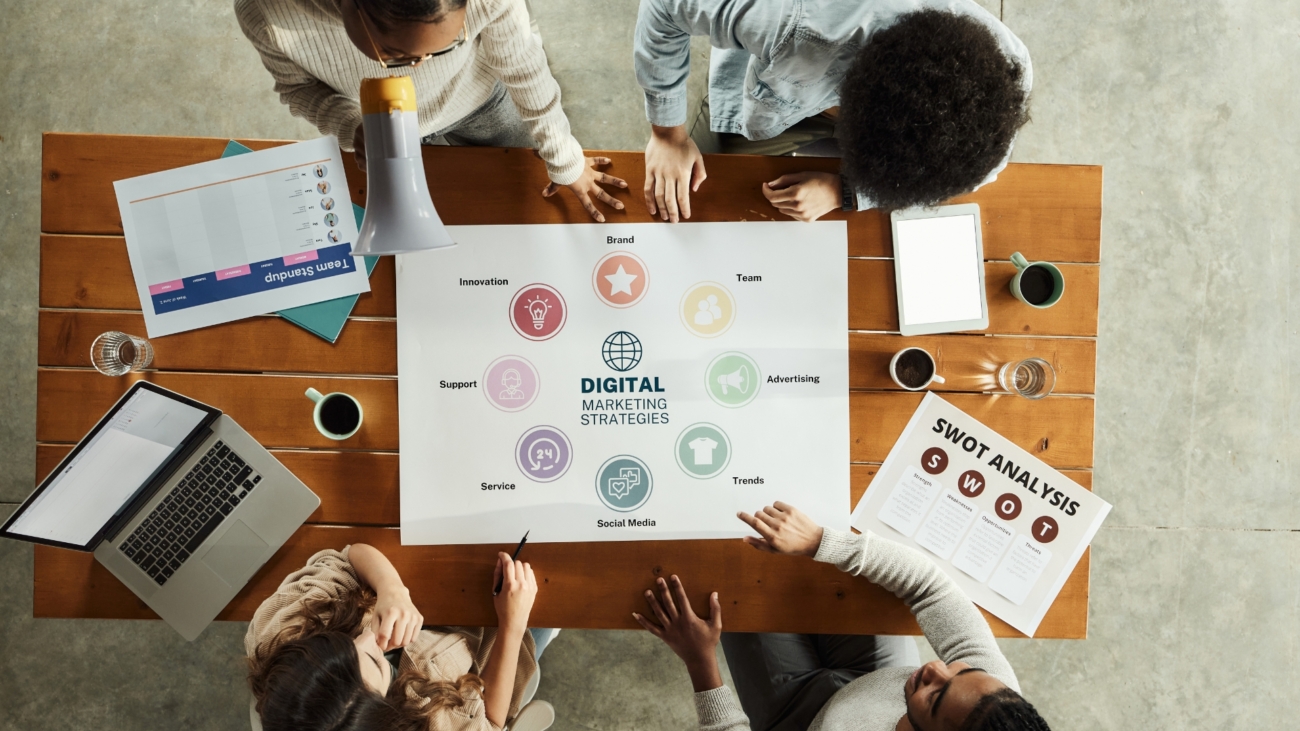
Workplace Distractions

Workplace Distractions: Identifying and Overcoming Productivity Killers

Workplace distractions are a significant hurdle for employees striving to maintain productivity. In an era where open office layouts and constant digital connectivity are the norms, staying focused on tasks can be a real challenge. Distractions come in many forms, from the buzz of social media notifications to the lure of chatty colleagues. These interruptions, while seemingly minor, can add up to significant time lost, leading to decreased efficiency and heightened stress.


The first step in combating workplace distractions is awareness. Understanding what typically pulls you away from your work—be it emails, meetings, or even clutter on your desk—can help you develop strategies to minimize these interruptions. Techniques such as time-blocking, where you dedicate specific chunks of time to particular tasks, can help maintain focus. Additionally, creating a physical or digital environment that minimizes distractions can significantly boost productivity.


Employers also play a crucial role in reducing workplace distractions. By fostering a culture that values focused work and providing employees with the tools they need to manage their time effectively, businesses can create a more productive environment. Whether through implementing flexible work policies or encouraging regular breaks to refresh the mind, addressing workplace distractions is essential for maintaining a healthy, efficient, and satisfied workforce.

Digital Marketing (2)

Digital Marketing: Unlocking Growth in the Modern Age

In today’s digital-first world, traditional marketing strategies are rapidly giving way to more dynamic and data-driven approaches. Digital marketing encompasses a wide array of tactics, from search engine optimization (SEO) and content marketing to social media campaigns and email outreach. Businesses that harness the power of digital marketing can reach a broader audience with precision targeting, enabling them to connect with potential customers where they spend most of their time—online.


The beauty of digital marketing lies in its flexibility and scalability. Small startups can compete with larger companies by leveraging social media platforms or content marketing to build their brand’s presence. On the other hand, established businesses can use advanced analytics and automation tools to optimize their campaigns for maximum ROI. By continuously analyzing data, marketers can refine their strategies to ensure they are reaching the right audience with the right message at the right time.


However, the digital landscape is ever-evolving, and staying ahead requires a commitment to learning and adapting. As technologies like AI and machine learning become more integrated into digital marketing, the future promises even more personalized and efficient ways to engage with customers. For businesses looking to thrive in the digital age, embracing digital marketing is not just an option—it’s a necessity.